All services / Tactile Graphics
Tactile Graphics
Tactile-graphic adaptations of diagrams, charts, and illustrations — designed for touch reading, not just visual conversion.
A tactile graphic is not a print image with a braille caption bolted on. It is a rebuilt representation of the same information, designed for a reader who will interpret it with their hands. Christy produces tactile graphics that prioritize what the source is trying to communicate over faithfulness to every visual detail.
What’s included
- Adaptation, not just conversion. Visual detail that does not carry meaning to a tactile reader is simplified or removed; detail that does carry meaning is preserved and, where necessary, exaggerated so it can be discriminated by touch.
- Textures, line weights, and spacing chosen so different areas and boundaries are distinguishable under a fingertip.
- Braille labels and a key/legend placed so they can be found without interrupting reading of the graphic itself.
- Coordinated with the surrounding braille — the graphic is introduced, referenced correctly from the running text, and (when appropriate) paired with a short print/braille description.
Good candidates
Textbook figures (biology diagrams, geometry constructions, geographic maps, graphs of functions), classroom handouts, exam figures, and one-off illustrations that a student needs to interact with. See School Maps for campus-orientation work specifically, and Textbooks for full-book projects that include many graphics.
Send the source figure(s) and describe how a reader will use them (identify regions? follow a construction? read values off a graph?) so the graphic can be built for the right task.
Selected work
Examples of Christy’s work
Real materials, made to be explored by touch.
Select an image to view the full-size original.
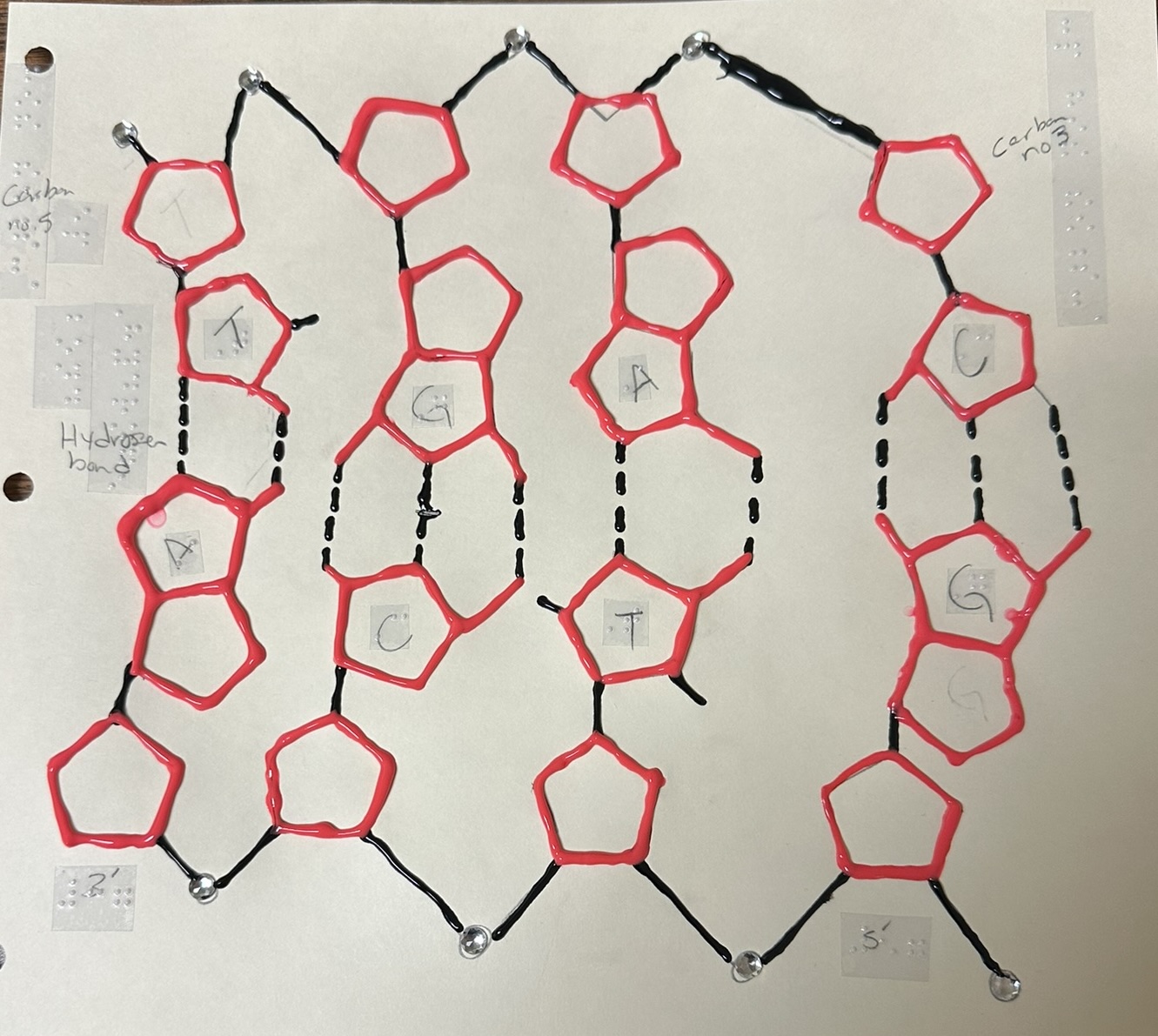
Tactile science
DNA, made tangible
Raised red and black lines, beads, and braille labels bring a DNA diagram off the page.
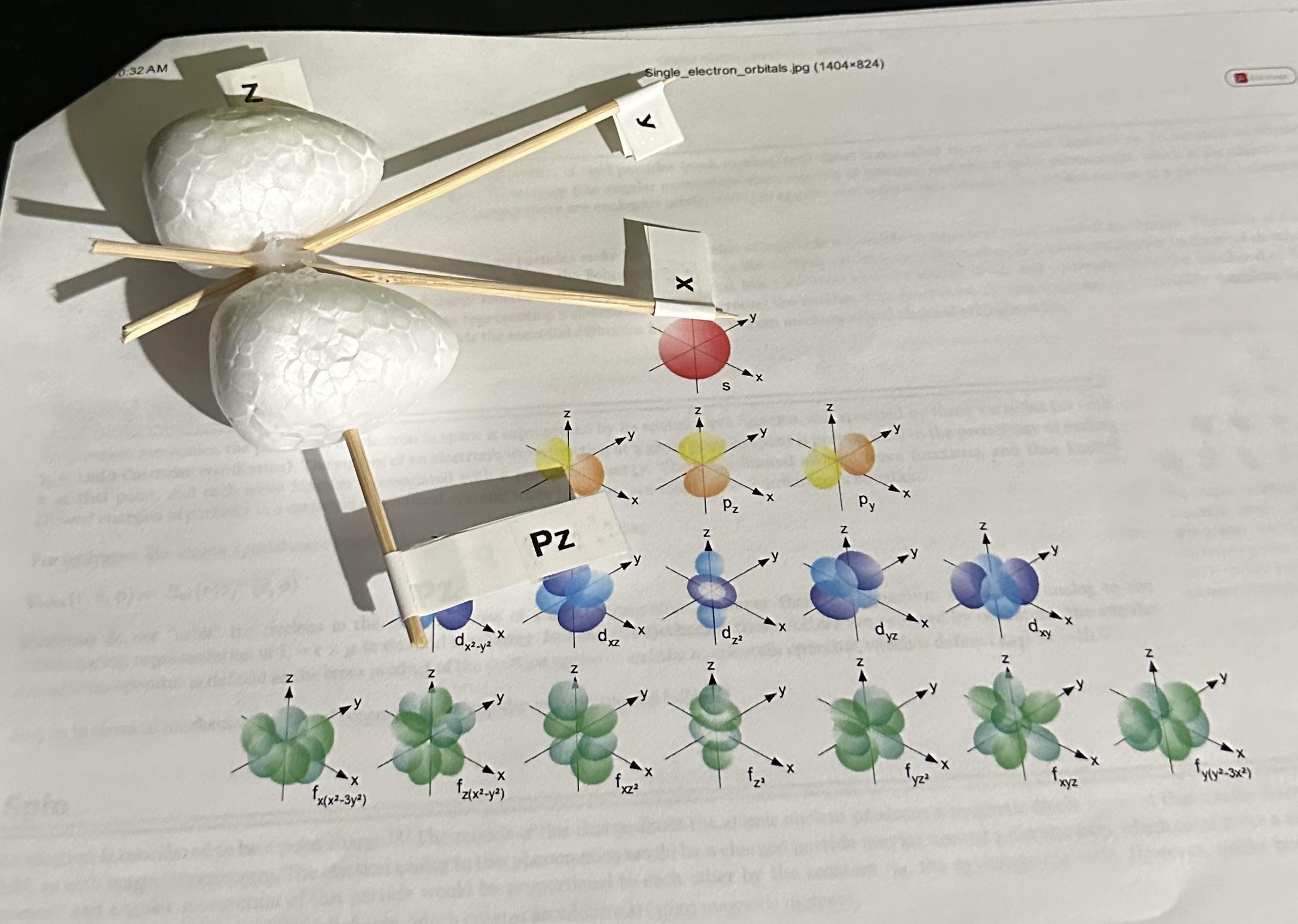
Tactile science
An electron orbital, by touch
Tactile model of a pz electron orbital.
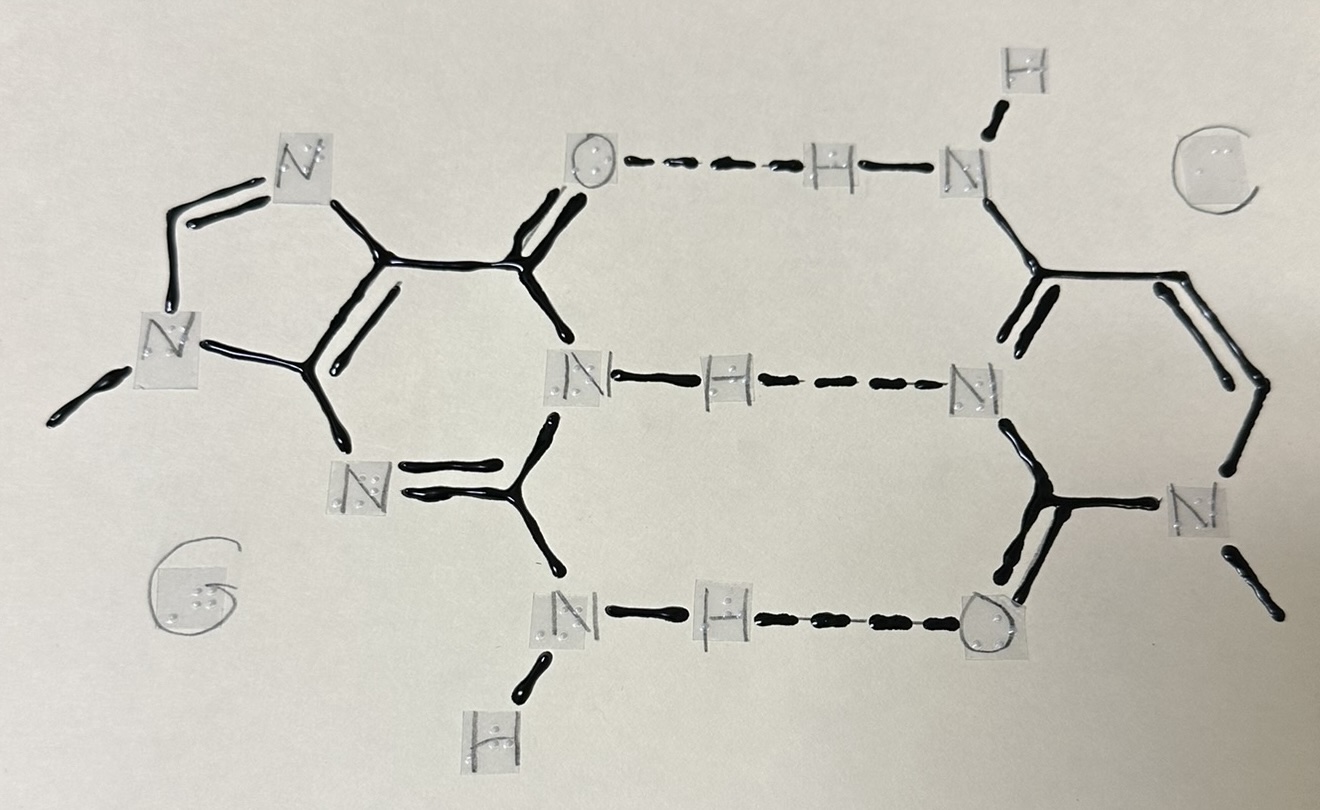
Chemistry
Chemical structures by touch
A close look at raised bonds and labeled chemical structures.
Explore chemistry transcriptionYour project
Let’s start with the material.
Share a sample, the intended audience, your preferred output format, and your timeline.
Contact Christy